Why Filmmakers Are Captivated by Australia's Unique Cultural Landscapes
Diverse Landscapes and Their Stories
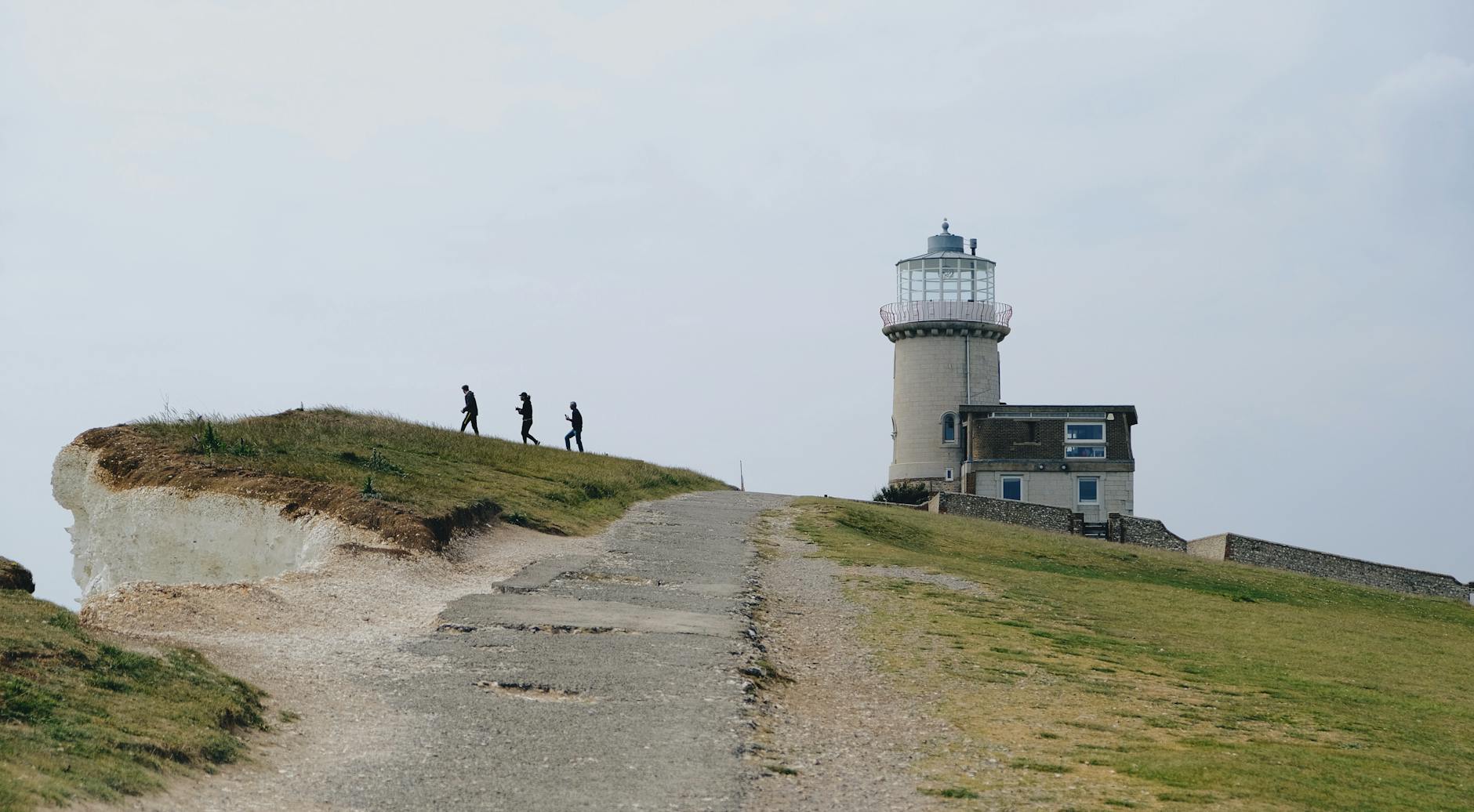
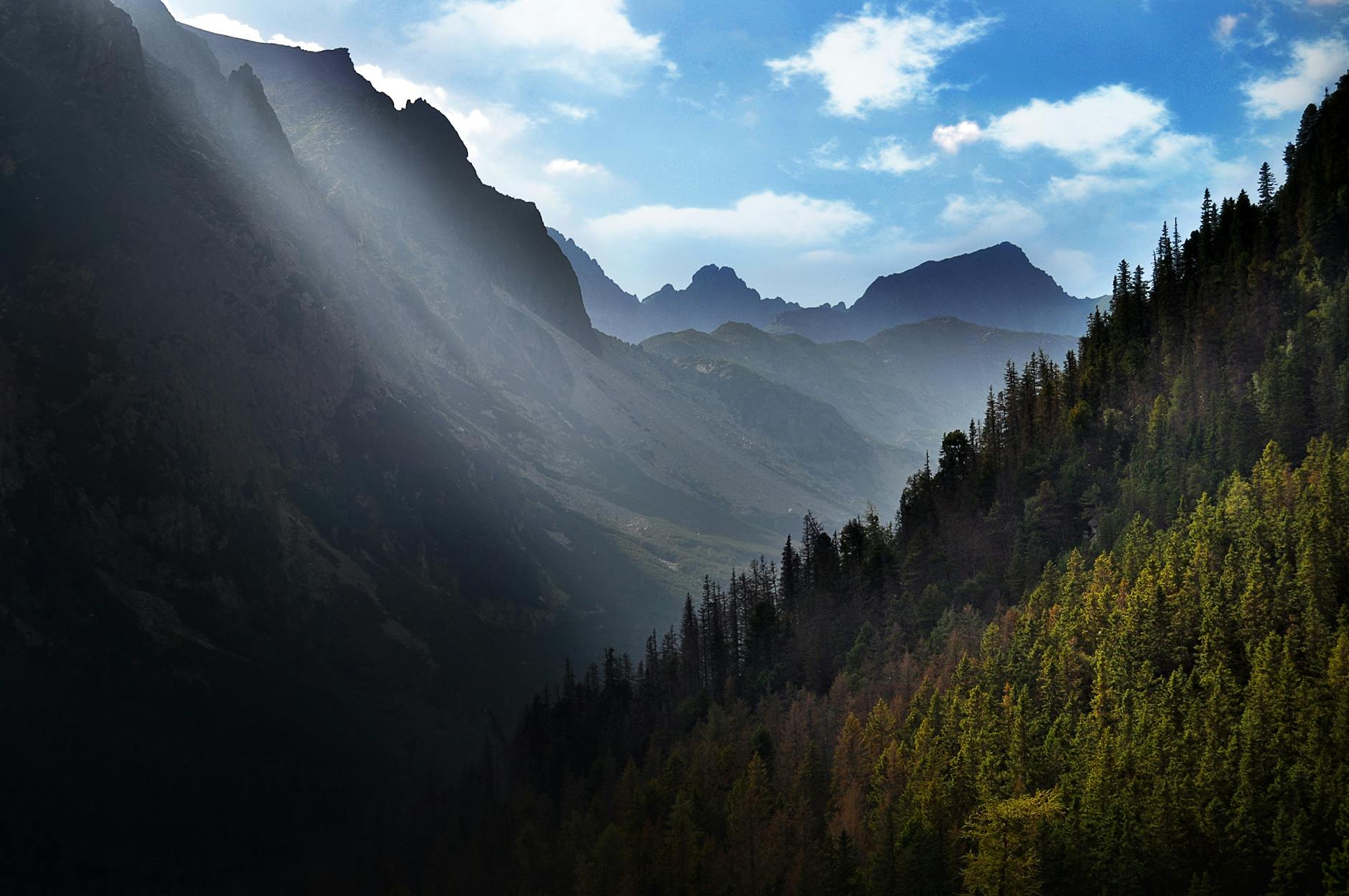
As an environmental scientist who loves films, I often find myself drawing parallels between the transformative power of cinema and the awe-inspiring landscapes of places like Australia and Central America. Picture the lush tapestries of rainforests and the serene vastness of desert expanses, much like a visual masterpiece you might experience at Melbourne's iconic Federation Square film exhibitions. These terrains are not just backgrounds—they hold the stories of ancient cultures, mysteries of past civilizations, and layers of ecological intrigue.
Exploring iconic terrains such as the Blue Mountains and the Great Barrier Reef allows filmmakers to capture Australia's grandeur while echoing the charisma of filming experiences in Central America. Take, for instance, the allure of Central America tours, which blend vibrant landscapes with rich cultural narratives, making them cinematic treasures waiting to unfold. It's not just the visuals but the tales ingrained in these landscapes that set the stage for compelling narratives.
Narrating through diverse terrains often involves delving into locations of cultural significance. Films set against the majestic backdrops of Machu Picchu tours and serene views from a Galapagos cruise offer stories that resonate deeply. Such settings provide filmmakers with a rich tapestry, much like the creative inspiration drawn from the Royal Botanic Gardens Melbourne, where each location holds potential to evolve into a captivating storyline. Each frame becomes not just a visual feast but also a journey into depth, complexity, and the narrative vitality of our natural world.
Indigenous Cultural Connections
Drawing inspiration from the vibrant tapestry of indigenous culture is akin to crafting a film that captivates the soul and stirs the imagination. The stories resonate deeply, echoing the efforts of committed filmmakers to weave these narratives into their work. The methodology can be compared to the artistic reverence seen in the Federation Square film exhibitions in Melbourne—a mosaic of artistry and storytelling.
Integrating Indigenous Narratives
Incorporating indigenous stories into your film not only enhances its authenticity but also offers a rich, unexplored world of africa tours that can set your work apart. Just as a cinematic artist might incorporate inspiration from diverse cultures and landscapes into their storytelling, as seen in cinematic events at the Australian Center for the Moving Image, integrating indigenous narratives provides a fuller tapestry of human experience.
Partnerships with Local Communities
Collaboration is key to ethically showcasing the stories of indigenous peoples. By partnering with local communities, filmmakers create a platform that respects and acknowledges the traditional custodians of the land. This partnership mirrors the symbiotic relationship between an artist and their canvas, each bringing unique perspectives that enrich the final creation. To draw a parallel, it's as essential as choosing the right footage during gorilla trekking uganda, ensuring the result is respectful and true.
Preserving Authentic Traditions
The magic of storytelling lies in its authenticity. Filmmakers dedicated to preserving indigenous traditions will find themselves custodians of a unique narrative heritage. Just as the Royal Botanic Gardens in Melbourne offer meticulous care to preserve diverse plant species, filmmakers can help safeguard cultural narratives by portraying them with the respect they deserve. This commitment not only enhances the final masterpiece but aligns beautifully with the ethos of conserving and celebrating cultural diversity.
Filmmaking Challenges and Rewards
Navigating Harsh Climates
Creating a compelling film requires more than just a camera; it demands an intrepid spirit willing to face Australia's challenging climates. When you're behind the scenes, capturing footage, you might be greeted by unexpected weather changes. Filming in coastal regions, for instance, presents unique challenges with varying light conditions due to quick weather changes. However, these challenges can be transformed into opportunities for breathtaking shots that capture nature's raw beauty. Drawing inspiration from cinematic events at the Australian Center for the Moving Image, some filmmakers learn to harness natural elements to enhance storytelling, turning the weather into a supporting character in their narrative.
Overcoming Remote Access Issues
Venturing into secluded filming locations often means dealing with the logistical intricacies of remote access. Some places are akin to the wild expanses depicted on South American tours. The magical allure of these areas is undeniable, yet accessing them requires meticulous planning. It's essential to coordinate transportation and ensure that the necessary equipment reaches these locations without a hitch. Ensuring seamless logistics might require collaboration with local experts who can navigate these terrains and provide valuable insights, echoing the spirit of exploration found in memorable adventures.
Capturing Unique Visuals
Capturing visuals that resonate with authenticity requires a keen eye and a deep appreciation for the subject matter. When working in unique locales, the film can become a visual journey, transporting audiences to places they might never visit. Much like how artists find creative inspiration from the Royal Botanic Gardens Melbourne, filmmakers can frame shots that reveal untold tales. Whether it’s the vibrant colors of the outback or the serene landscapes from Galapagos Islands tours, each frame has the potential to become something more—a moving canvas that leaves audiences creatively charged.
Environmental Considerations
Sustainable Filmmaking Practices
As a cinematic artist exploring diverse landscapes, particularly in Australia, sustainability is a crucial cornerstone to consider. Filmmakers should be aware of the impact their productions have on the environment and take steps to minimize it. For instance, using eco-friendly materials on set, reducing waste, and opting for renewable energy sources can significantly decrease the ecological footprint of a production crew. It's also vital to foster collaborations with local experts who possess a deep understanding of the land's environmental sensitivities.
Impact on Local Ecosystems
Engaging with the environment responsibly means acknowledging how filmmaking activities can disrupt local ecosystems. Frequently, film crews are drawn to locations with rich biodiversity, like those found in expansive outback settings or secluded coastal areas. However, the influx of people, equipment, and vehicles can potentially harm the fragile habitats of native species. By obtaining proper environmental permits and following guidelines, filmmakers can ensure their projects contribute positively to the region's long-term health.
Mitigating Environmental Footprint
The goal is to create visually compelling films without leaving a lasting negative impact on the environment. Strategies such as carbon offsetting, using digital effects instead of physical alterations, and hiring local crews to reduce travel emissions are effective ways to achieve this balance. As filmmakers, it's important to embrace practices that honor the natural beauty of the location, much like the immersive experiences one finds in african tours or captivating adventures of a kenya safari. In doing so, productions not only preserve these majestic landscapes for future storytelling but also inspire a broader commitment to conservation within the industry.
Frequently Asked Questions
Navigating Logistics with Ease
As a cinematic artist, the vibrant Australian landscape is a canvas waiting for your brush. Yet the logistical tapestry is vast and intricate. With a keen eye on efficiency, let's delve into the practicalities. First, when filming across diverse terrains, timing is everything. Weather patterns can shift dramatically, so pack with foresight and plan shoots during optimal conditions. Engage local experts who understand the nuances of terrain like the back of their hand. Their insights can be invaluable, offering shortcuts or hidden gems in remote areas you might overlook.
Mastering Permits and Legalities
Diving into the legal realm might not have the glamour of sculpting a narrative masterpiece, but it's essential. Secure the proper permits to film in both urban and rural locations. The labyrinth of legal requirements can vary, especially when integrating Indigenous narratives. A proactive approach ensures that traditional stories are respected and perfectly aligned with the community's voice. Remember, collaboration with local councils and Indigenous representatives isn't just a legality—it enriches your story and roots it in authenticity.
Essential Filming Tools and Technology
Filmmaking down under demands adaptability. Equip yourself with technology designed to withstand Australia's rigorous environments. Reliable drones offer unprecedented angles, capturing the breathtaking vistas in ways human filmmakers cannot. Leverage virtual reality tools to visualize the setting before the first camera roll. This foresight is invaluable when plotting scenes, ensuring no moment is lost when shooting in potential remote areas. From the pulsating energy of Federation Square to the quiet serenity of the Royal Botanic Gardens, technology bridges the narrative from concept to creation seamlessly.